Sakat Chauth: A Mother's Sacred Vow for Her Child's Longevity and Well-being
In This Article (Direct Jump)
Quick Information Card
Sakat Chauth
January 7, 2026
January 17, 2025
Magha Krishna Chaturthi
Moonrise at 08:42 PM
Lord Ganesha (Sankashti)
Uttar Pradesh, Rajasthan, Madhya Pradesh
Protection, child wellbeing, and obstacle removal
Sakat Chauth
January 7, 2026
January 17, 2025
Magha Krishna Chaturthi
Moonrise at 08:42 PM
Lord Ganesha (Sankashti)
Uttar Pradesh, Rajasthan, Madhya Pradesh
Protection, child wellbeing, and obstacle removal
1. Introduction to Sakat Chauth
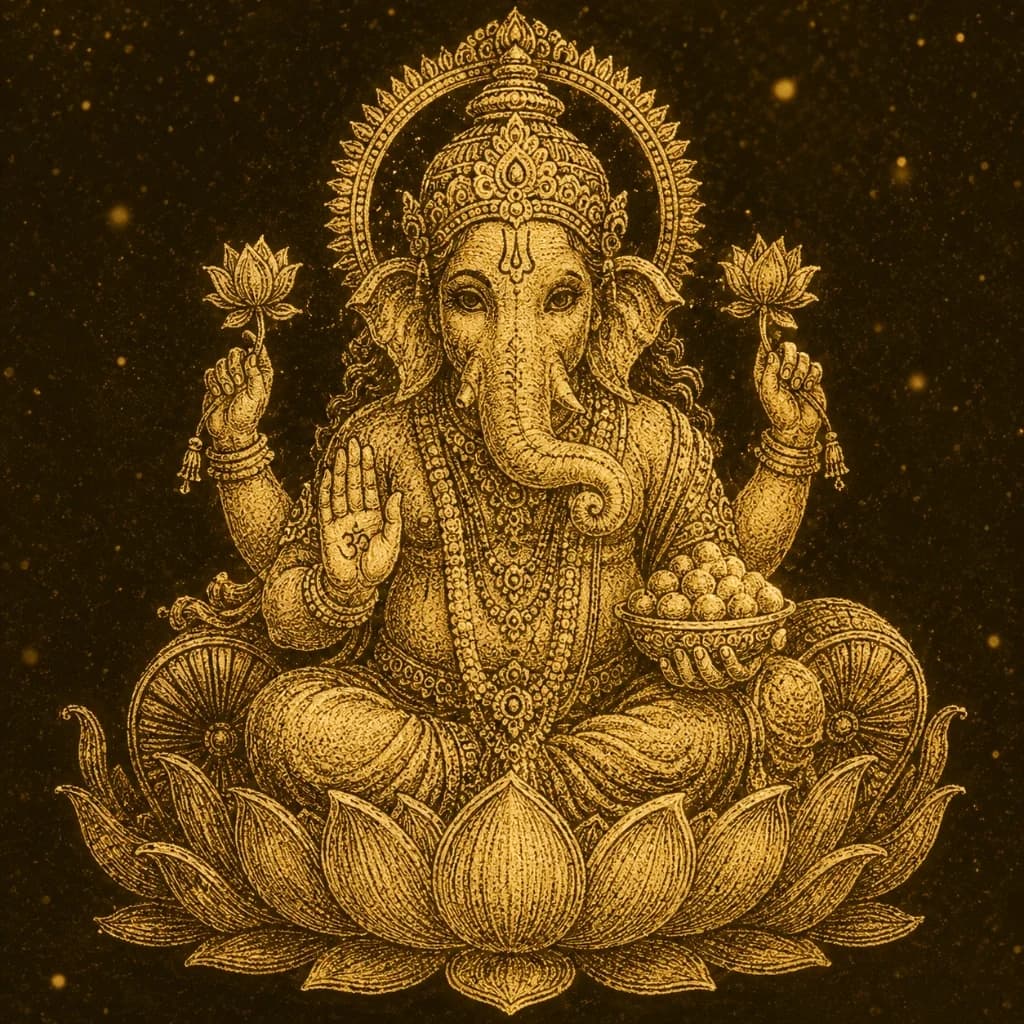
Sakat Chauth, also known as Sankashti Chaturthi or Tilkut Chauth, is a significant Hindu festival celebrated with immense devotion, especially by mothers. Observed on the Chaturthi (fourth day) of the Krishna Paksha (dark fortnight) in the month of Magha, this auspicious day is dedicated to Lord Ganesha, the remover of obstacles and the deity of wisdom and prosperity. On Sakat Chauth, mothers undertake a rigorous Nirjala fast (without water) from sunrise to moonrise, earnestly praying for the long life, good health, and overall well-being of their children. This ancient tradition reflects a mother's selfless love and her profound faith in divine blessings.
2. How to Celebrate Sakat Chauth (Step-by-Step Rituals)
The spiritual genesis of Sakat Chauth is rooted in various Puranic legends, emphasizing the protective power of Lord Ganesha. One popular legend recounts the story of a mother whose seven sons were cursed to die shortly after birth. Desperate, she sought the blessings of Ganesha, who advised her to observe the Sakat Chauth fast with full devotion. Following his instructions, she worshipped Lord Ganesha and offered prayers for her sons. Miraculously, all her sons were saved from their destined fate and lived long, healthy lives. This tale reinforces the belief that sincere prayers offered on this day, coupled with devotion to Ganesha, can overcome even the gravest of adversities and bestow protection upon one's progeny.
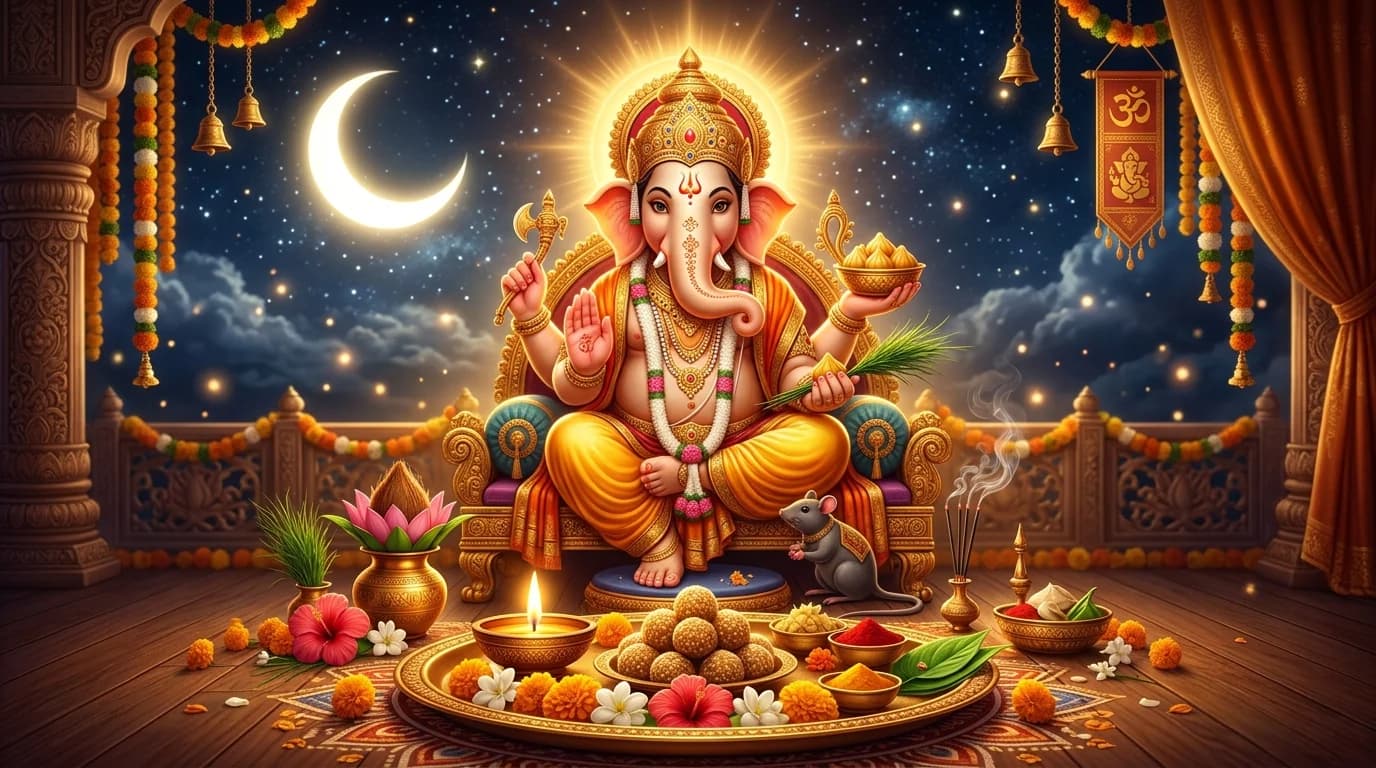
Vakratunda Mahakaya Suryakoti Samaprabha | Nirvighnam Kuru Me Deva Sarva-Kaaryeshu Sarvada || O Lord Ganesha, of curved trunk and mighty body, radiant as a million suns, remove all obstacles from my path, and bless my child with a long, healthy, and prosperous life, always.A devout mother offering prayers and traditional 'tilkut' to Lord Ganesha during Sakat Chauth, symbolizing her unwavering devotion for her children's well-being. The sacred offerings signify purity and hope.
3. Spiritual Meaning & Significance of Sakat Chauth
The observance of Sakat Chauth is steeped in profound rituals that are performed with utmost sincerity. The day begins with taking a 'sankalp' (vow) to observe the fast. Throughout the day, devotees abstain from food and water. In the evening, after sighting the moon, special prayers are offered to Lord Ganesha. The 'tilkut' – a mixture of roasted sesame seeds (til) and jaggery – is a central offering, symbolizing health and energy. Additionally, 'modak' and other sweets dear to Ganesha are offered. The fast is broken only after offering 'arghya' (water offering) to the moon and then consuming the 'tilkut'. This entire process signifies purification, sacrifice, and an unwavering belief in divine intervention for the welfare of the family.
Sakat Chauth offers profound spiritual lessons and practices for our daily lives:
- Embrace selfless love: The fast highlights a mother's boundless love and dedication towards her children's well-being, inspiring us to cultivate selfless affection in all relationships.
- Overcome obstacles with faith: Lord Ganesha, the Vighnaharta, reminds us that with unwavering faith and devotion, we can overcome any challenges in life, protecting our loved ones.
- Value tradition and family bonds: Observing such festivals strengthens cultural roots and reinforces the importance of family unity, shared values, and mutual support.
- Practice discipline and devotion: The rigorous fast teaches discipline, patience, and the power of devotion, helping us connect with the divine on a deeper level.
Puja Samagri Checklist
Puja Samagri Checklist
Essential Items (आवश्यक सामग्री)
Optional Items (ऐच्छिक सामग्री)
Simple Alternatives (सरल विकल्प)
- If fresh flowers are unavailable, offer pure water kalash with sincere devotion.
Practical Do's and Don'ts
What to Do (क्या करें)
- Wake up early and take a morning holy bath.
- Maintain cleanliness in your worship area.
- Pray with family and share Prasad with everyone.
What to Avoid (क्या न करें)
- Avoid wasting food, water, or electric lights.
- Avoid harsh speech or negativity during festival time.
What You Can Do Today
What You Can Do Today
Simple practical actions for immediate blessings