Nag Panchami: Honoring the Divine Serpents for Protection and Prosperity
In This Article (Direct Jump)
Quick Information Card
Nag Panchami
August 17, 2026
July 29, 2025
Shravana Shukla Panchami
05:52 AM to 08:30 AM
Nag Devta
All India, Maharashtra, UP
Serpent worship & nature harmony
Nag Panchami
August 17, 2026
July 29, 2025
Shravana Shukla Panchami
05:52 AM to 08:30 AM
Nag Devta
All India, Maharashtra, UP
Serpent worship & nature harmony
1. Introduction to Nag Panchami
Nag Panchami, a deeply revered Hindu festival, celebrates the profound reverence for snakes, which are not merely creatures of the wild but are considered sacred and integral to the spiritual fabric of Hinduism. This auspicious day falls on the fifth day (Panchami) of the bright fortnight (Shukla Paksha) of the lunar month of Shravan, a period synonymous with the rejuvenating monsoon rains. During this time, snakes often emerge from their subterranean homes due to waterlogging, making their presence more noticeable and reinforcing the ancient wisdom of offering respect and space to all life forms. On Nag Panchami, devotees honor the Naga Devtas, the divine serpents, acknowledging their immense power, profound wisdom, and their crucial role in maintaining both cosmic and ecological balance. This worship is not a superficial ritual but is deeply rooted in ancient scriptures, Puranas, and age-old traditions, signifying humanity's intrinsic respect for all forms of life and the intricate, interconnected web of nature. The reverence for snakes in Hinduism is multifaceted, extending far beyond simple fear or admiration. These serpentine deities are portrayed as guardians of immense treasures, keepers of esoteric knowledge, and often as companions or adornments of supreme deities. Iconic serpents like Vasuki, Sheshnag, and Manasa Devi are pivotal characters in various Puranic narratives and divine lore. Sheshnag, the magnificent thousand-headed serpent, not only serves as the comfortable divine couch for Lord Vishnu (Ananta-Shesha) but also is believed to support the entire universe on his hoods, thereby symbolizing cosmic energy, eternity, and time itself. He is a representation of the infinite, the unmanifest, and the primordial force. Vasuki, another immensely prominent Naga, played a critical role in one of Hinduism's most epic tales – the Samudra Manthan, or the churning of the cosmic ocean, where he served as the rope to extract divine nectar. Goddess Manasa Devi, revered especially in eastern India, is worshipped specifically for protection against snake bites, fertility, and prosperity. On Nag Panchami, devotees engage in elaborate rituals and fervent prayers to appease these powerful serpentine deities, seeking their benevolent blessings for the protection of their families from snake bites and to mitigate any adverse astrological effects, particularly the formidable 'Kalsarp Dosha' which is believed to arise from the karmic accumulation of past lives related to serpents. It is a firm belief that sincerely worshipping Nag Devtas on this sacred day brings abundant prosperity, removes life's obstacles, ensures the robust well-being of the family members, and protects agricultural fields from pests, guaranteeing a good harvest.
2. How to Celebrate Nag Panchami (Step-by-Step Rituals)
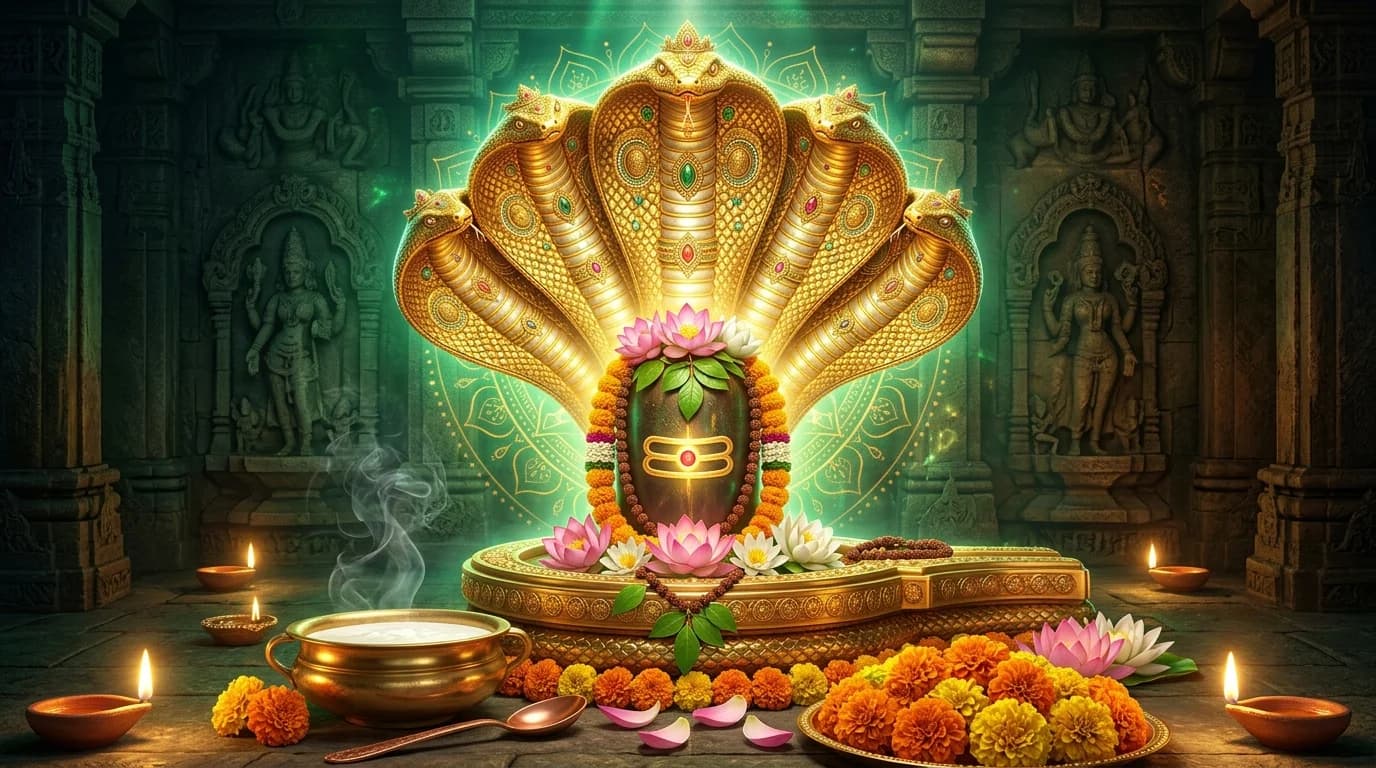
The observance of Nag Panchami varies significantly across different regions of India, each adding its unique cultural flavor to the core reverence. However, common practices universally include the offering of milk, traditional sweets (like ladoos), fresh flowers, and lighted lamps (diyas) to images of snake deities, sculptures, or at revered snake pits. Many devout individuals and families also make pilgrimages to ancient temples specifically dedicated to Nagas, such as the famous Nagchandreshwar Temple in Ujjain (which opens only on Nag Panchami) or numerous Shiva temples where the Shiva Lingam is often depicted entwined by a serpent. In many households, women play a central role, often drawing elaborate snake figures with sacred substances like turmeric, vermilion (kumkum), or rice paste on their house walls, courtyards, or near the main entrance. These vibrant drawings are then worshipped with great devotion for the longevity, protection, and overall welfare of their brothers and the entire family. Fasting is another common and significant practice, observed by many from sunrise to sunset, with the fast typically broken only after performing the elaborate evening puja and arati. It is profoundly important to note a critical distinction: while milk is ritually offered to snake idols and images as a symbol of reverence, actual snakes in the wild should under no circumstances be forced to consume milk. Biologically, milk is not a natural part of a snake's diet and can be highly detrimental to their health, causing dehydration and even death. The offerings are symbolic gestures of devotion and respect towards the divine Nagas, representing our spiritual connection and not an act of physically feeding wild animals. Awareness of this distinction is crucial for authentic and harmless observance of the festival.
सर्वे नागाः प्रीयन्तां मे ये केचित् पृथिवीतले।ये च हेलिमरीचिस्था येऽन्तरे दिवि संस्थिताः॥<br>Sarve Nagah Priyantam Me Ye Kechit Prithvitale. Ye Cha Helimarichistha Ye'ntare Divi Samsthitah.<br>Meaning: May all the serpents residing on this Earth, in the rays of the sun, and those in the heavens, be pleased with me. This shloka encapsulates the universal prayer for the well-being and benevolent grace of all serpentine beings, whether visible or invisible, on all planes of existence.A poignant visual of a devout Hindu offering milk and vibrant flowers to a beautifully adorned serpent idol during Nag Panchami. This act symbolizes deep reverence for the divine Nag Devtas, a prayer for protection from harm, and a heartfelt plea for prosperity and family well-being, reflecting centuries of rich cultural and spiritual heritage. The serene setting evokes the sanctity of the occasion.
3. Spiritual Meaning & Significance of Nag Panchami
Beyond the ancient rituals and mythological narratives, Nag Panchami holds immense and timely relevance in today's increasingly interconnected and environmentally conscious world. It serves as a powerful and poignant reminder of our inherent responsibility towards nature and all its diverse creatures. Snakes, often unjustly misunderstood and feared, play an absolutely crucial and indispensable role in maintaining the delicate balance of our ecosystems, most notably in natural pest control, thereby safeguarding agricultural yields and ensuring food security. By honoring them through this revered festival, we consciously acknowledge the delicate and intricate interconnectedness of all life forms – from the smallest organism to the largest. This festival profoundly underscores the indispensable importance of maintaining ecological balance and biodiversity for the health of our planet. Nag Panchami deeply encourages us to cultivate a harmonious existence with nature, fostering deep compassion (karuna), profound respect, and the practice of non-violence (Ahimsa) towards every living being. This ethos beautifully embodies the profound Sanatana Dharma principle of 'Vasudhaiva Kutumbakam' – recognizing that the entire world is truly one expansive family, and every single member, regardless of their form or perceived status, deserves our utmost respect, care, and protection. It is a day to reflect on our coexistence and interdependence.
1. **Perform Naga Puja with Devotion:** Dedicate time to offer milk, ladoos (sweets), fresh flowers, and turmeric to snake idols or sacred images. This ritual should be performed with a pure heart and sincere intentions.2. **Chant Mantras for Blessings:** Regularly recite powerful mantras such as 'Om Namah Shivaya' or 'Om Nagadevay Namah' throughout the day. These chants invoke divine blessings and foster inner peace.3. **Pray for Comprehensive Protection:** Humbly seek blessings for protection from snake bites, ensure the holistic well-being of your family, and earnestly pray for the removal of any astrological doshas, especially Kalsarp Dosha, from your life.4. **Practice Compassion and Non-Violence:** Embrace the principle of Ahimsa by actively avoiding any harm to snakes or other creatures in nature. Should you encounter a snake, seek professional help for its safe and humane relocation rather than attempting to engage with it directly.5. **Cultivate Environmental Awareness:** Take this day as an opportunity to deeply reflect on the vital ecological role of snakes and our collective responsibility towards environmental conservation, biodiversity, and sustainable living. Understand their place in nature and contribute to protecting their habitat.
- Perform Naga Puja with Devotion: Dedicate time to offer milk, ladoos (sweets), fresh flowers, and turmeric to snake idols or sacred images. This ritual should be performed with a pure heart and sincere intentions.
- Chant Mantras for Blessings: Regularly recite powerful mantras such as 'Om Namah Shivaya' or 'Om Nagadevay Namah' throughout the day. These chants invoke divine blessings and foster inner peace.
- Pray for Comprehensive Protection: Humbly seek blessings for protection from snake bites, ensure the holistic well-being of your family, and earnestly pray for the removal of any astrological doshas, especially Kalsarp Dosha, from your life.
- Practice Compassion and Non-Violence: Embrace the principle of Ahimsa by actively avoiding any harm to snakes or other creatures in nature. Should you encounter a snake, seek professional help for its safe and humane relocation rather than attempting to engage with it directly.
- Cultivate Environmental Awareness: Take this day as an opportunity to deeply reflect on the vital ecological role of snakes and our collective responsibility towards environmental conservation, biodiversity, and sustainable living. Understand their place in nature and contribute to protecting their habitat.
Puja Samagri Checklist
Puja Samagri Checklist
Essential Items (आवश्यक सामग्री)
Optional Items (ऐच्छिक सामग्री)
Simple Alternatives (सरल विकल्प)
- If fresh flowers are unavailable, offer pure water kalash with sincere devotion.
Practical Do's and Don'ts
What to Do (क्या करें)
- Wake up early and take a morning holy bath.
- Maintain cleanliness in your worship area.
- Pray with family and share Prasad with everyone.
What to Avoid (क्या न करें)
- Avoid wasting food, water, or electric lights.
- Avoid harsh speech or negativity during festival time.
What You Can Do Today
What You Can Do Today
Simple practical actions for immediate blessings