Makar Sankranti & Shattila Ekadashi: A Confluence of Celestial Blessings and Sacred Offerings
In This Article (Direct Jump)
Quick Information Card
Makar Sankranti & Shattila Ekadashi
January 14, 2026
January 14, 2025
Makar Sankranti / Shattila Ekadashi
07:15 AM to 05:46 PM
Surya Dev & Lord Vishnu
All India, Gujarat, Maharashtra, Punjab
Uttarayana solar transition, sesame charity, and devotion
Makar Sankranti & Shattila Ekadashi
January 14, 2026
January 14, 2025
Makar Sankranti / Shattila Ekadashi
07:15 AM to 05:46 PM
Surya Dev & Lord Vishnu
All India, Gujarat, Maharashtra, Punjab
Uttarayana solar transition, sesame charity, and devotion
1. Introduction to Makar Sankranti & Shattila Ekadashi
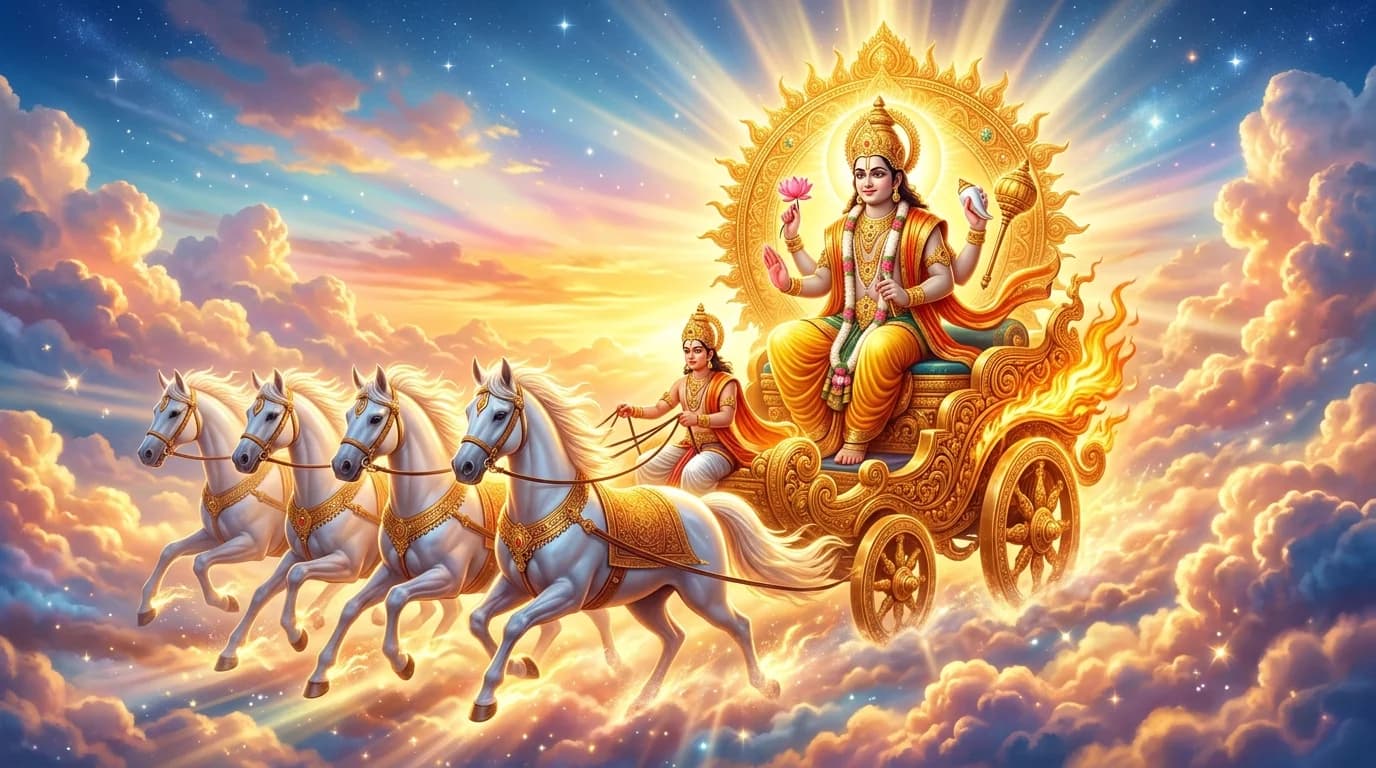
Makar Sankranti is celebrated every year on January 14th. It marks an important shift in the Hindu calendar, both in the sky and in spirit. On this day, the Sun enters the zodiac sign Capricorn (Makara), which begins the very auspicious period called 'Uttarayana' -- the Sun's journey towards the north. This is not just something that happens in the sky -- it also stands for a spiritual awakening: longer and brighter days, more light, and a fresh push for spiritual growth and new beginnings. Many devotees see Uttarayana as being like the 'day of the Gods' (Devayana). Because of this, any spiritual effort, penance, or act of charity done during this period is believed to bring extra merit and blessings, and to speed up spiritual progress. This time becomes even more special because it falls together with Shattila Ekadashi -- a sacred day dedicated to Lord Vishnu, the preserver of the universe, and to the special power of sesame seeds ('Tila'). When these two festivals fall close together, it creates a rare, powerful chance to gain spiritual benefit from both at once. Makar Sankranti marks a turning point in cosmic energy -- a good time to set new intentions, let go of old negativity, and align yourself with the growing light of Uttarayana. Shattila Ekadashi, on the other hand, focuses on the many sacred uses of sesame seeds and steady devotion to Lord Vishnu, giving a clear structure for deep purification, selfless charity, and constant remembrance of God. Together, these two festivals teach us that time moves in cycles, that it matters to align our inner self with nature's rhythm, and that giving selflessly (danam) and disciplined spiritual practice (tapasya) can truly change us. They remind us that real prosperity is not just about money -- it also means spiritual richness, good health, and a pure, kind heart. By observing both Makar Sankranti and Shattila Ekadashi with sincerity and understanding, devotees can receive a double share of blessings, and move towards a year of greater clarity, well-being, and inner change.
2. How to Celebrate Makar Sankranti & Shattila Ekadashi (Step-by-Step Rituals)
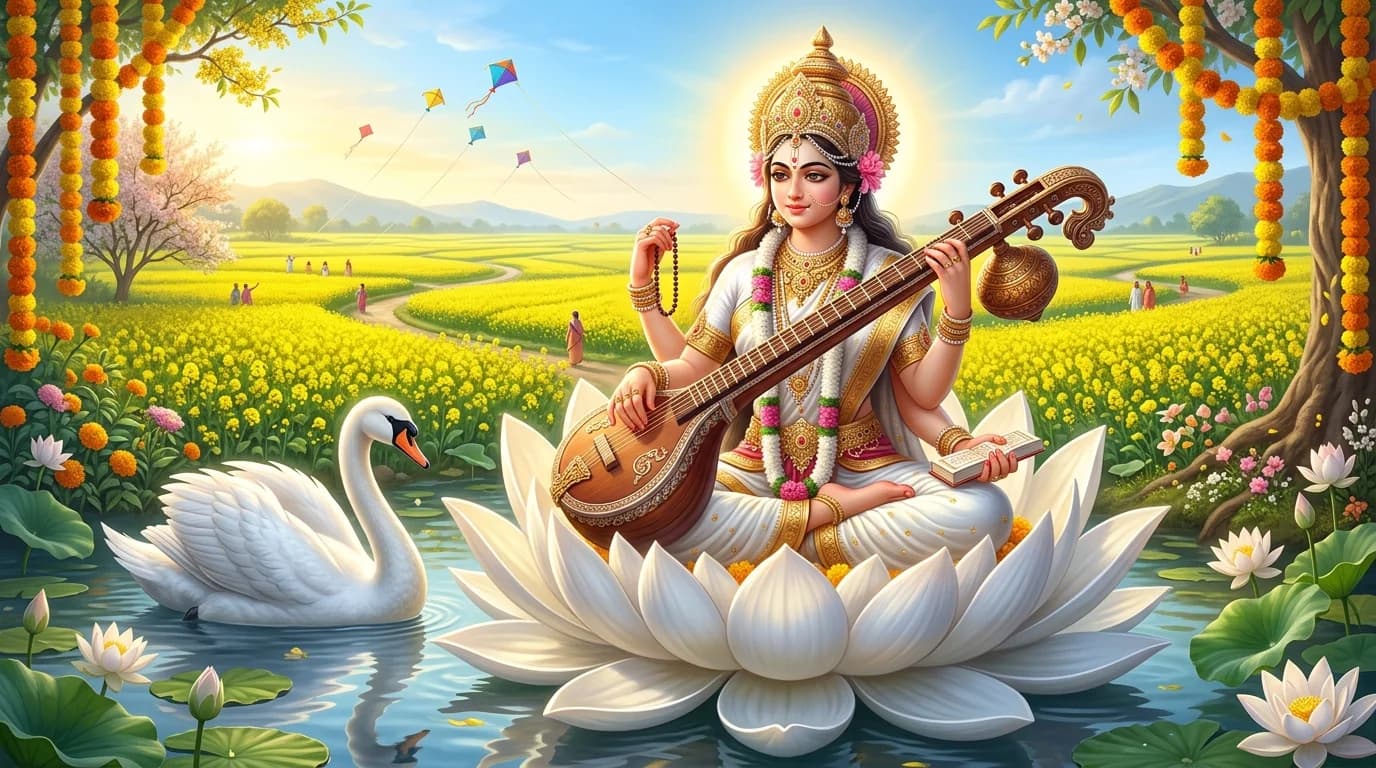
Makar Sankranti is celebrated with unparalleled enthusiasm and a rich tapestry of diverse traditions across the length and breadth of India, albeit with regional variations. From the north, where it's known as Lohri and Maghi, to the west as Uttarayan, and the south as Pongal, the underlying spirit remains the same: profound gratitude for the bountiful harvest, a deep reverence for the Sun God (Surya Devta) who sustains life, and a joyful acceptance of the changing seasons. It marks the symbolic end of the harsh winter solstice and the gradual lengthening of days, metaphorically representing the victory of light over darkness, knowledge over ignorance, and the promise of impending spring and abundant harvest. Spiritually, this day serves as a powerful reminder to shed old habits, release attachments that bind us, embrace positive resolutions for self-improvement, and earnestly seek divine blessings for an abundance of health, prosperity, and spiritual wisdom in the coming months. A central ritual involves taking holy dips in sacred rivers such as the Ganges, Yamuna, Godavari, and Narmada, a practice believed to cleanse one of past sins and purify the soul, inviting spiritual rejuvenation and a fresh start. The offering of 'Khichdi', a wholesome dish of rice and lentils, signifies community, simplicity, and sustenance, while 'Tilgul' (sweets made from sesame and jaggery) are exchanged with the adage 'Tilgul ghya, ani god god bola' – 'Eat tilgul and speak sweet words,' symbolizing goodwill, forgiveness, and spreading sweetness in relationships. The exhilarating tradition of flying colorful kites further adds to the festive fervor, symbolizing aspiration, freedom, and the joy of soaring higher in life's spiritual and material journey, breaking free from earthly confines and embracing higher ideals.
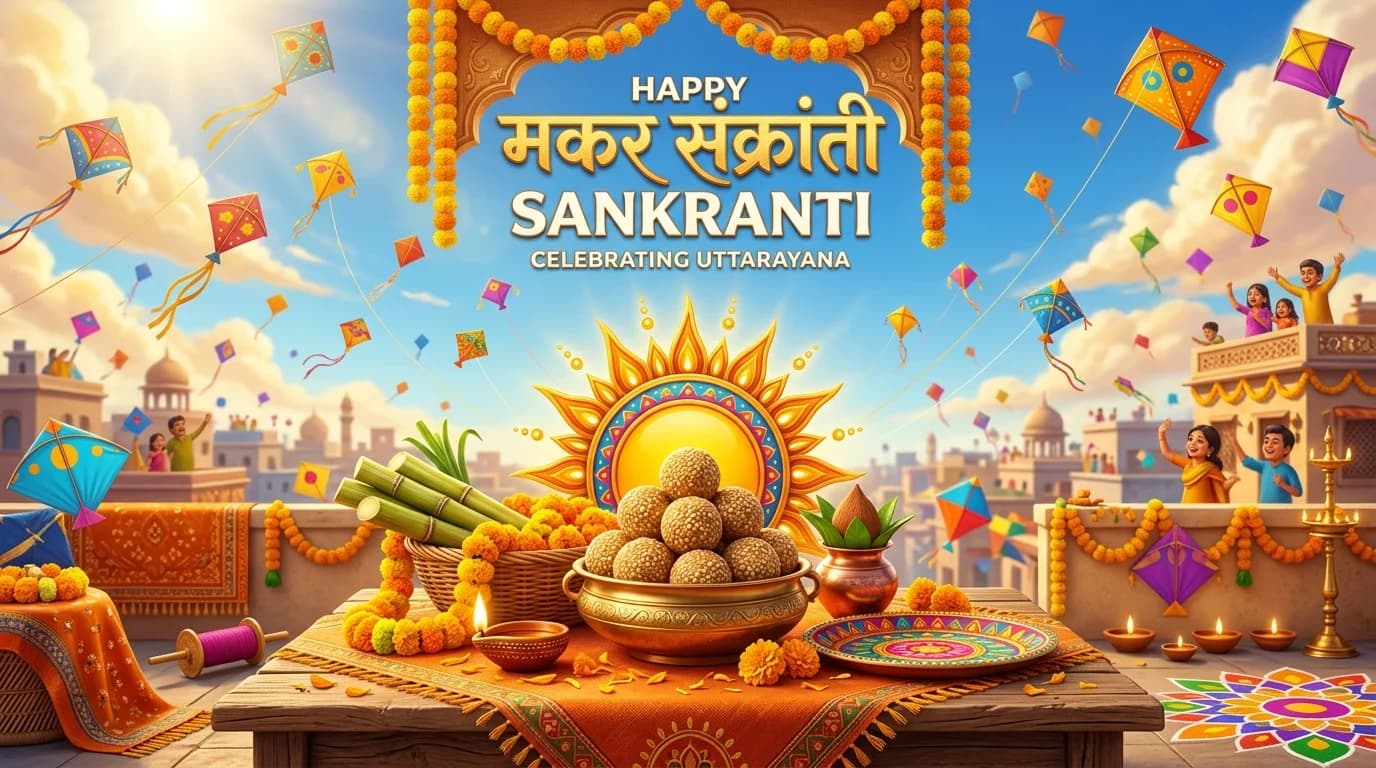
A vibrant depiction of Makar Sankranti celebrations, showing devotees taking a holy dip, offering prayers, and families flying colorful kites against a clear blue sky, symbolizing joy, freedom, and new beginnings.
3. Spiritual Meaning & Significance of Makar Sankranti & Shattila Ekadashi
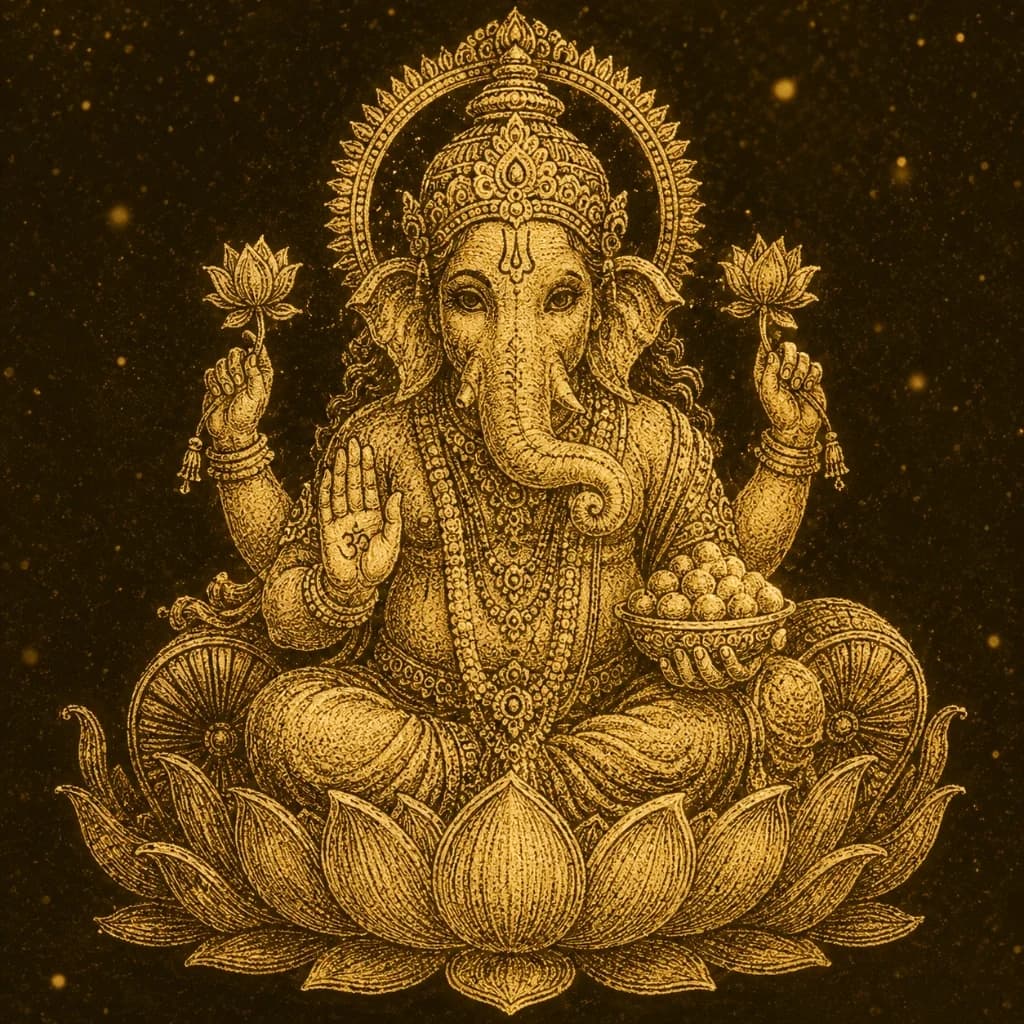
Shattila Ekadashi holds profound significance in Vaishnava traditions, being primarily dedicated to the worship of Lord Vishnu, the preserver of the universe. The very name 'Shattila' is derived from 'Shat' meaning 'six' and 'Tila' meaning 'sesame seeds', indicating the six specific ways in which these sacred seeds are utilized on this auspicious day, each carrying distinct spiritual benefits and a path to purification. Devotees are enjoined to incorporate sesame seeds in their spiritual practices through: 1) Consuming them, often mixed in food or as 'prasad' after offering to the deity, believed to purify inner self and balance bodily humors, 2) Bathing in water generously infused with sesame seeds, which purifies the physical body and subtle energetic layers, washing away impurities and negative influences, 3) Offering them in 'havan' or sacred fire rituals, especially to Lord Vishnu or Yama Devta (God of death), invoking blessings for ancestors (Pitar Tarpan) and dispelling negative karmas, thereby ensuring peace for departed souls, 4) Donating them as charity to the needy, particularly Brahmins and the underprivileged, which is considered highly meritorious and a potent path to accumulate good karma and blessings, 5) Applying them as 'Ubtan' (a traditional body scrub) for external purification, radiant skin, and detoxification, and 6) Drinking water mixed with sesame seeds, for internal cleansing, improving digestion, and overall health. The Puranas, particularly the Bhavishya Purana, recount the immense spiritual benefits of observing Shattila Ekadashi with unwavering devotion, stating that even a single sesame seed offered with sincerity can yield a thousand times the reward in the spiritual realm. It is firmly believed that meticulous observance of these rituals bestows excellent health, abundant prosperity, liberation from accumulated sins, and ultimately, opens the gates to Moksha (salvation), guiding the soul towards supreme spiritual advancement and the eternal abode of Lord Vishnu.
This shloka highlights the importance of charity and righteous actions, particularly relevant on days like Makar Sankranti and Shattila Ekadashi:Practical spiritual practices for Makar Sankranti & Shattila Ekadashi:
- Perform a holy dip in a sacred river or a ritual bath at home, meditating on purification.
- Offer sesame seeds (til) in six ways: consuming, bathing with, offering in havan, donating, applying as ubtan, and drinking water with them.
- Donate food, clothing, and especially sesame-based sweets (tilgul) to the needy.
- Practice introspection and set new spiritual goals for the Uttarayana period.
- Chant 'Om Namo Bhagavate Vasudevaya' or Vishnu Sahasranama throughout the day.
Puja Samagri Checklist
Puja Samagri Checklist
Essential Items (आवश्यक सामग्री)
Optional Items (ऐच्छिक सामग्री)
Simple Alternatives (सरल विकल्प)
- If fresh flowers are unavailable, offer pure water kalash with sincere devotion.
Practical Do's and Don'ts
What to Do (क्या करें)
- Wake up early and take a morning holy bath.
- Maintain cleanliness in your worship area.
- Pray with family and share Prasad with everyone.
What to Avoid (क्या न करें)
- Avoid wasting food, water, or electric lights.
- Avoid harsh speech or negativity during festival time.
What You Can Do Today
What You Can Do Today
Simple practical actions for immediate blessings