Maha Navami: Concluding the Divine Journey of Navratri
In This Article (Direct Jump)
Quick Information Card
Maha Navami
October 19, 2026
October 1, 2025
Ashvin Shukla Navami
06:25 AM to 12:00 PM
Maa Siddhidatri
All India, Bengal, Assam
Kanya Pujan and Siddhi attainment
Maha Navami
October 19, 2026
October 1, 2025
Ashvin Shukla Navami
06:25 AM to 12:00 PM
Maa Siddhidatri
All India, Bengal, Assam
Kanya Pujan and Siddhi attainment
1. Introduction to Maha Navami
Maha Navami, the ninth and final day of the auspicious Navratri festival, signifies the triumphant conclusion of a powerful spiritual journey. On this sacred day, devotees wholeheartedly worship Maa Siddhidatri, the ninth manifestation of Goddess Durga. This day is not merely the end of fasting; it is a profound celebration of spiritual achievement, inner strength, and the ultimate triumph of dharma. As the chants of 'Jai Mata Di' resonate, hearts are filled with devotion, gratitude, and a renewed sense of purpose, preparing to embrace the blessings of divine perfection that Maa Siddhidatri bestows.
2. How to Celebrate Maha Navami (Step-by-Step Rituals)
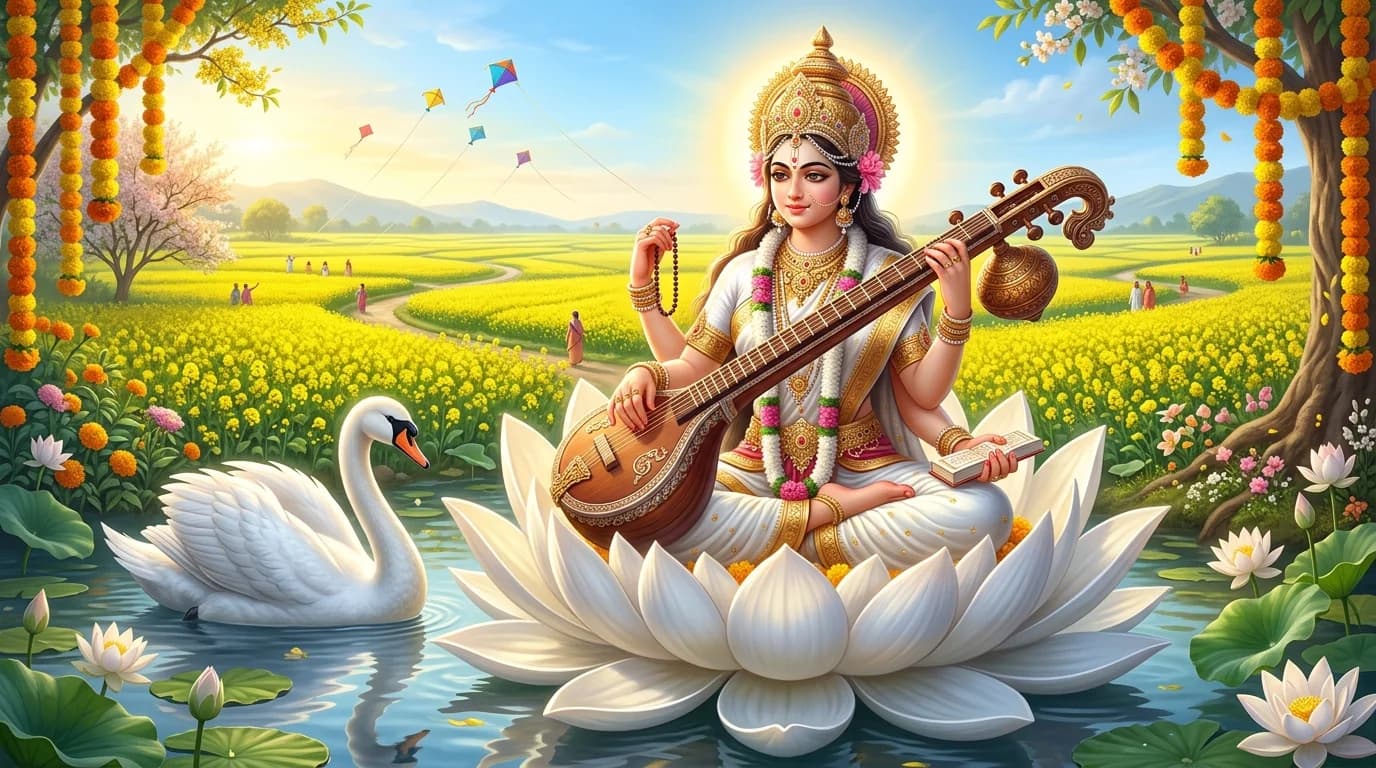
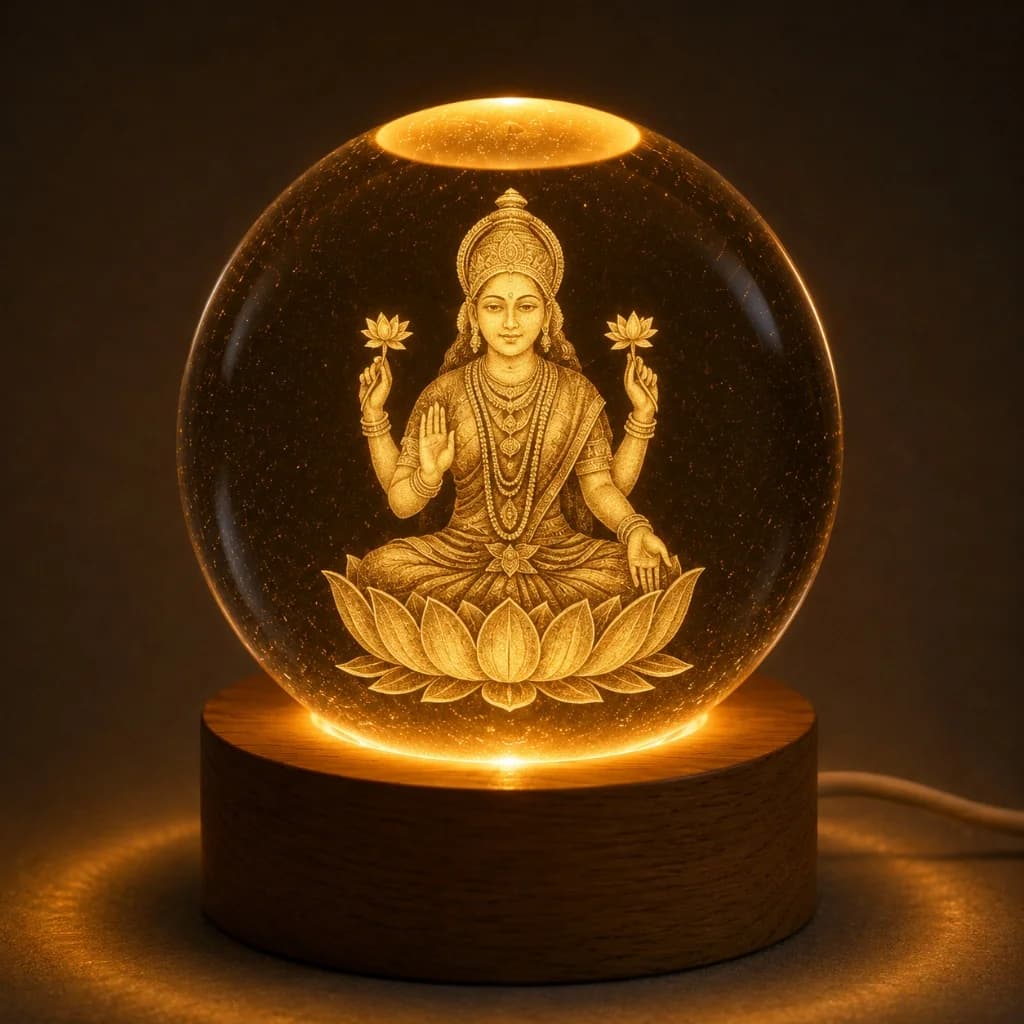
Maa Siddhidatri is revered as the grantor of all types of 'Siddhis' (supernatural powers or perfections). Seated on a lotus, holding a chakra, mace, conch, and lotus in her four hands, she embodies wisdom, enlightenment, and spiritual mastery. According to ancient scriptures like the Markandeya Purana, Lord Shiva himself attained all Siddhis by worshipping her, and it was due to her blessings that one half of his body became that of the Goddess, earning him the name 'Ardhanarishvara'. Worshipping Maa Siddhidatri on Maha Navami cleanses one of ignorance, bestows knowledge, and helps in realizing the true self, leading towards ultimate liberation and spiritual fulfillment.
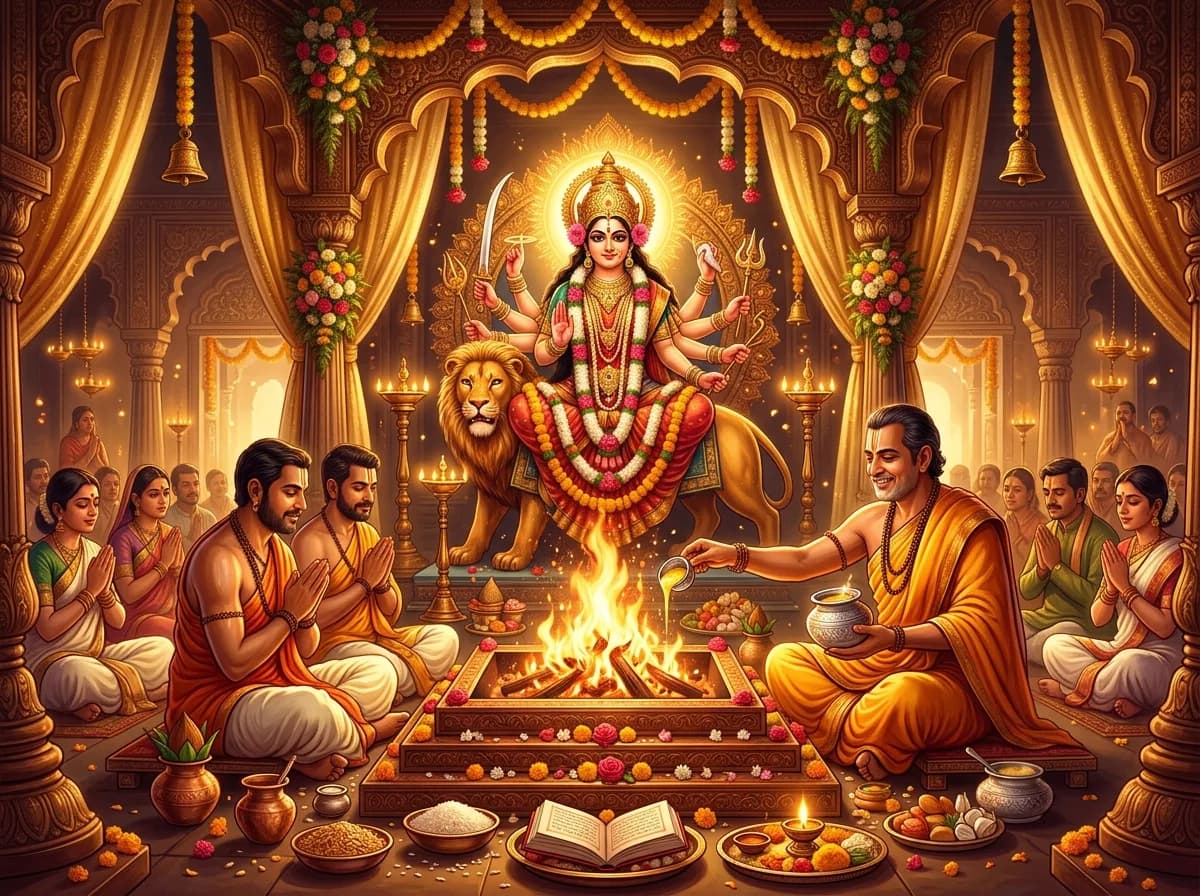
Om Devi Siddhidatryai Namah. Sarva Siddhidatri Tvam Hi Siddhidah Subha. Navarupeṇa Saṃsthitā Devi Māṃ Siddhidātrī Namastubhyam. (Meaning: Salutations to Goddess Siddhidatri. You are the auspicious bestower of all Siddhis. O Devi who resides in nine forms, Salutations to you, Maa Siddhidatri.)A vibrant depiction of devotees performing Maha Navami Havan, invoking divine blessings. The sacred fire symbolizes purification and offerings to the cosmic energy, bringing peace and prosperity.
3. Spiritual Meaning & Significance of Maha Navami
Maha Navami is prominently marked by elaborate Havan (fire ritual) ceremonies. Devotees offer prayers, grains, ghee, and other sacred items into the fire, symbolizing the burning of ego and negative tendencies, and purification of the environment. The Havan is believed to invoke the presence of the deities and ensure that offerings reach them directly. Another significant ritual is Kanya Pujan, where young girls (symbolizing the Goddess herself) are honored, fed, and given gifts, acknowledging the divine feminine energy inherent in them. This act of reverence teaches humility, respect, and the recognition of divinity in all beings, especially women and girls. The fasting concludes on this day, with devotees partaking in a sattvic meal after the rituals, feeling spiritually invigorated and blessed.
On Maha Navami, integrate these practices for spiritual growth:
- Perform a small Havan or light a lamp with devotion, offering gratitude for divine blessings.
- Practice Kanya Pujan, or simply show respect and extend kindness to young girls, recognizing the divine feminine.
- Meditate on Maa Siddhidatri, seeking inner perfection, wisdom, and the removal of obstacles from your spiritual path.
- Reflect on your spiritual journey during Navratri and commit to carrying forward the lessons of devotion, discipline, and dharma.
Puja Samagri Checklist
Puja Samagri Checklist
Essential Items (आवश्यक सामग्री)
Optional Items (ऐच्छिक सामग्री)
Simple Alternatives (सरल विकल्प)
- If fresh flowers are unavailable, offer pure water kalash with sincere devotion.
Practical Do's and Don'ts
What to Do (क्या करें)
- Wake up early and take a morning holy bath.
- Maintain cleanliness in your worship area.
- Pray with family and share Prasad with everyone.
What to Avoid (क्या न करें)
- Avoid wasting food, water, or electric lights.
- Avoid harsh speech or negativity during festival time.
What You Can Do Today
What You Can Do Today
Simple practical actions for immediate blessings