Jagannath Ratha Yatra: The Divine Journey of Love and Devotion
In This Article (Direct Jump)
Quick Information Card
Jagannath Ratha Yatra: The Divine Journey of Love and Devotion
2026 Date
2025 Date
Panchang Tithi
Auspicious Muhurat
Deity
All India
Devotion and spiritual growth
Jagannath Ratha Yatra: The Divine Journey of Love and Devotion
2026 Date
2025 Date
Panchang Tithi
Auspicious Muhurat
Deity
All India
Devotion and spiritual growth
1. Introduction to Jagannath Ratha Yatra: The Divine Journey of Love and Devotion
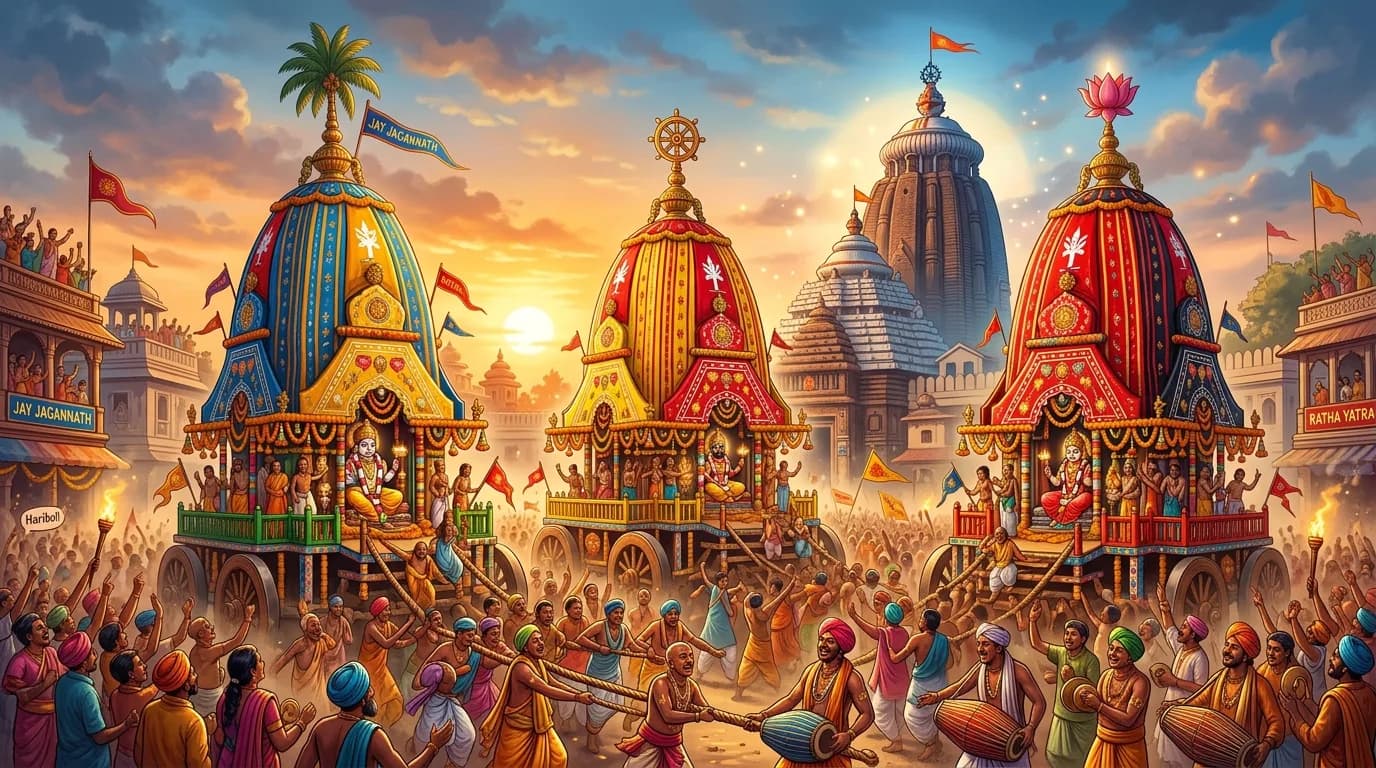
The Jagannath Ratha Yatra is one of the oldest and most grand festival celebrations in the world. Every year, during the bright fortnight of Ashadha month, Lord Jagannath (the Lord of the Universe), along with His elder brother Lord Balabhadra and sister Devi Subhadra, emerges from the sanctum of the Jagannath Temple in Puri to journey to the Gundicha Temple. This sacred procession attracts millions of devotees from across the globe, united by a singular desire to catch a glimpse of the deities on their majestic chariots.
"'रथे तु वामनं दृष्ट्वा पुनर्जन्म न विद्यते।' (Seeing the Lord on the chariot frees one from the cycle of birth and death.)"2. How to Celebrate Jagannath Ratha Yatra: The Divine Journey of Love and Devotion (Step-by-Step Rituals)
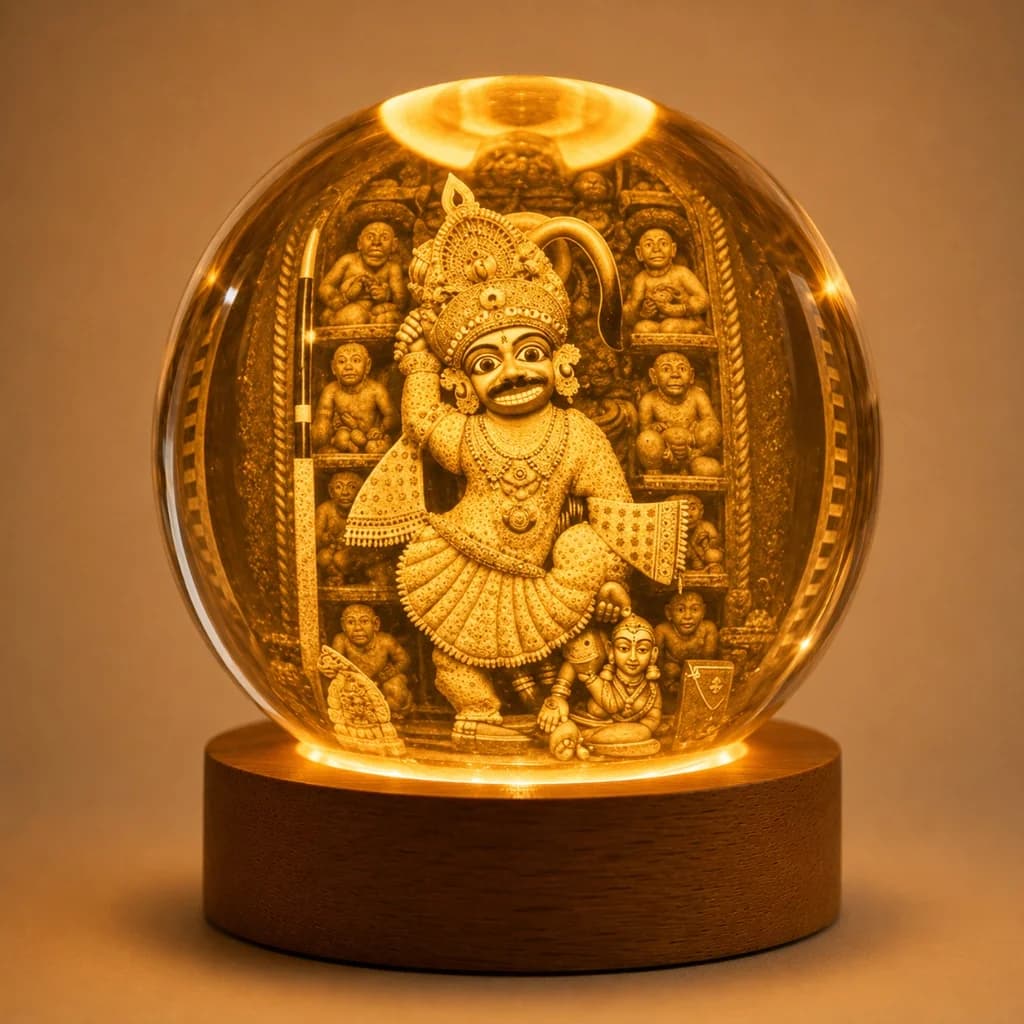
Unlike other Hindu deities, Lord Jagannath is not made of metal or stone, but of sacred neem wood (Daru), which is ritually replaced every few years (Nabakalebara). The three chariots—Nandighosha (for Jagannath), Taladhwaja (for Balabhadra), and Darpadalana (for Subhadra)—are constructed fresh each year from specific wood. The festival highlights a beautiful social aspect where the King of Puri performs 'Chhera Pahanra', sweeping the chariot platforms with a gold-handled broom, symbolizing that all are equal before the Divine.
The grand wooden chariots carrying the deities through Bada Danda in Puri.
3. Spiritual Meaning & Significance of Jagannath Ratha Yatra: The Divine Journey of Love and Devotion
Spiritually, the Ratha Yatra represents the journey of the soul. The chariot represents the body, and the deities represent the divine soul within. Pulling the chariot represents pulling the Lord back into the temple of our hearts through the path of Bhakti (devotion). It reminds us that God does not reside only in closed chambers; He steps out to reach everyone, regardless of their caste, creed, or status.
Spiritual Lessons from the Ratha Yatra
- Humility: The King sweeping the chariot teaches us that ego must be dissolved in service to the Lord.
- Bhakti: Pulling the chariot's rope represents building a personal connection with the Divine.
- Universal Love: The Lord coming out to the street shows that divine grace is accessible to all without discrimination.
Puja Samagri Checklist
Puja Samagri Checklist
Essential Items (आवश्यक सामग्री)
Optional Items (ऐच्छिक सामग्री)
Simple Alternatives (सरल विकल्प)
- If fresh flowers are unavailable, offer pure water kalash with sincere devotion.
Practical Do's and Don'ts
What to Do (क्या करें)
- Wake up early and take a morning holy bath.
- Maintain cleanliness in your worship area.
- Pray with family and share Prasad with everyone.
What to Avoid (क्या न करें)
- Avoid wasting food, water, or electric lights.
- Avoid harsh speech or negativity during festival time.
What You Can Do Today
What You Can Do Today
Simple practical actions for immediate blessings