Dussehra & Vijayadashami: The Triumph of Dharma and Righteousness
In This Article (Direct Jump)
Quick Information Card
Dussehra (Vijayadashami)
October 20, 2026
October 2, 2025
Ashvin Shukla Dashami
Vijay Muhurat: 02:05 PM to 02:52 PM
Lord Rama & Goddess Durga
All India, Mysuru, Kullu
Victory of Dharma and Ravan Dahan
Dussehra (Vijayadashami)
October 20, 2026
October 2, 2025
Ashvin Shukla Dashami
Vijay Muhurat: 02:05 PM to 02:52 PM
Lord Rama & Goddess Durga
All India, Mysuru, Kullu
Victory of Dharma and Ravan Dahan
1. Introduction to Dussehra (Vijayadashami)
Dussehra, also known as Vijayadashami, stands as one of the most profoundly significant and widely celebrated Hindu festivals, observed with immense fervor, devotion, and cultural vibrancy across India and by Hindu communities worldwide. It marks the glorious culmination of the ten-day Dashain/Navaratri festival, falling specifically on the tenth day of the bright half (Shukla Paksha) of the Hindu month of Ashwin. This sacred day beautifully intertwines two core narratives of divine triumph and the eternal victory of good over evil. Firstly, it commemorates Lord Rama's definitive vanquishing of the formidable demon king Ravana, marking the definitive end of the epic Ramayana and the restoration of righteousness (Dharma) on Earth. This narrative emphasizes the importance of upholding moral values and battling inner vices. Secondly, it celebrates Goddess Durga's awe-inspiring victory over the terrifying buffalo demon Mahishasura, symbolizing the triumph of divine feminine energy (Shakti) over malevolent forces that threaten cosmic balance. Both these pivotal events, celebrated with elaborate rituals, vibrant processions, theatrical Ramlilas, and communal gatherings, powerfully underscore the universal principle that Dharma ultimately triumphs over Adharma, light over darkness, and truth over falsehood. Dussehra, therefore, is not merely a commemoration of mythological events from a bygone era, but a timeless and powerful reminder of our own human capacity to overcome inner and outer evils, to strive for virtue, integrity, and spiritual evolution in our daily lives, and to celebrate the perennial power of good. It's a day of introspection, renewal, and joyous reaffirmation of faith in righteousness.
Yato Dharmastato Jayah. Where there is Dharma (righteousness), there is victory.2. How to Celebrate Dussehra (Vijayadashami) (Step-by-Step Rituals)
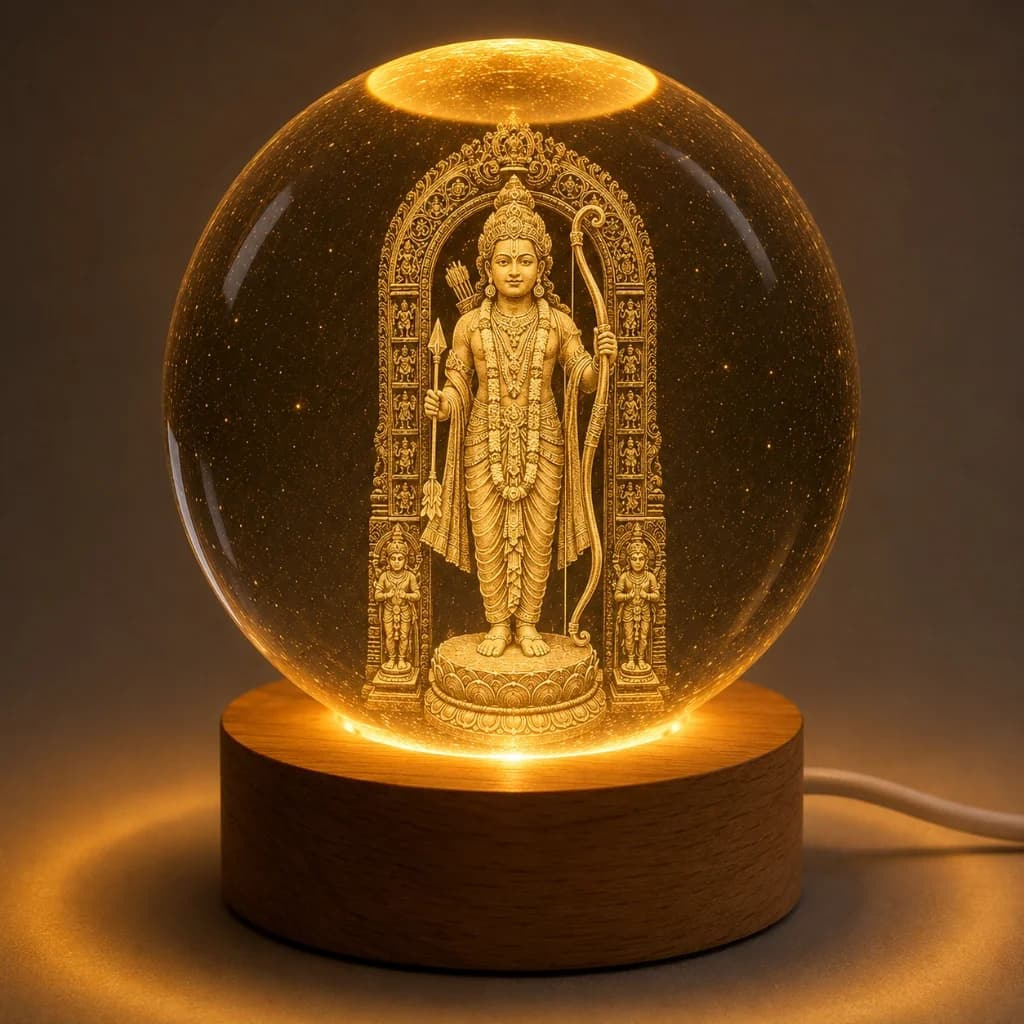
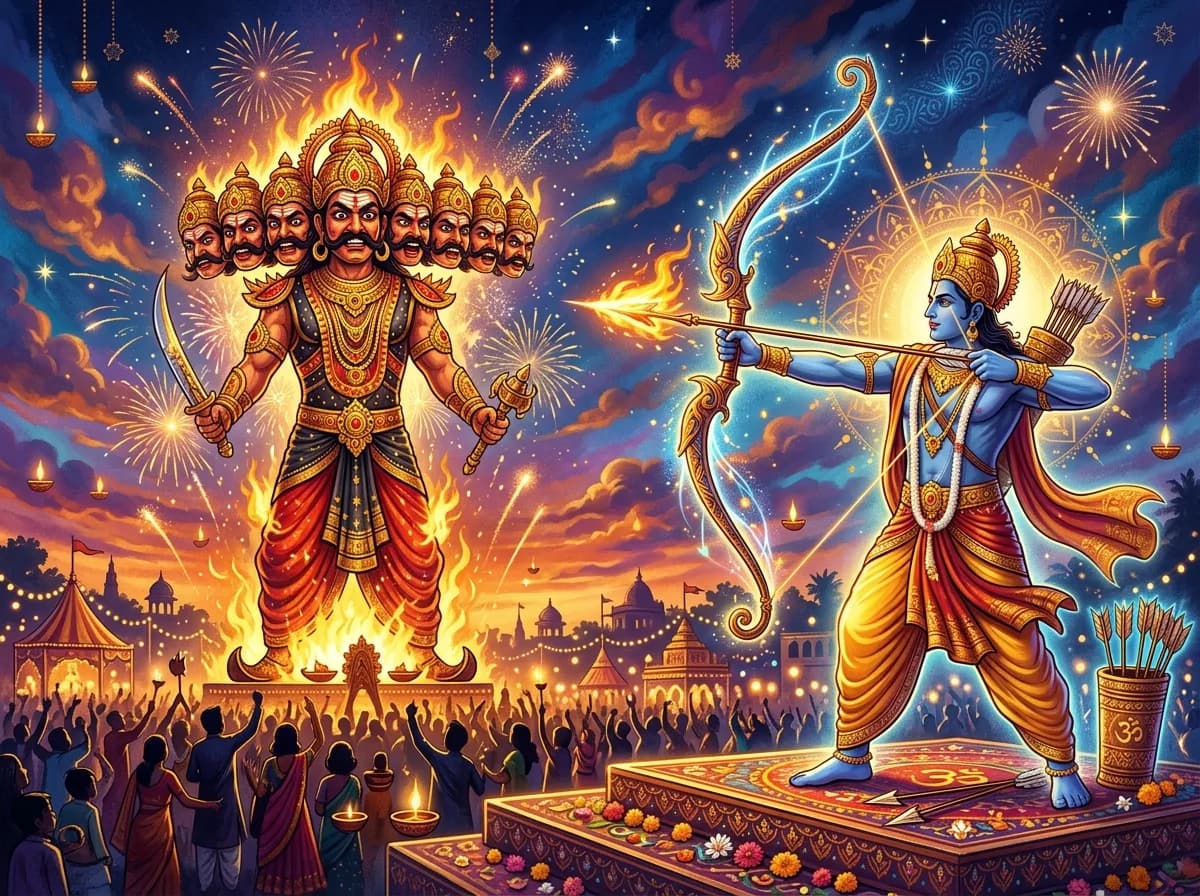
The narrative of Lord Rama's monumental victory over Ravana is undeniably the most visually and emotionally celebrated aspect of Dussehra, particularly across North India where grand Ramlilas are staged for ten nights leading up to this day. After a relentless and fierce ten-day battle, a conflict that tested the very fabric of righteousness and evil, Lord Rama – an avatar of Vishnu and an embodiment of virtue, courage, strategic brilliance, and unwavering adherence to Dharma – decisively defeats the ten-headed demon king Ravana. Ravana, despite his immense power, profound knowledge of the Vedas, unparalleled ascetic penance, and being a great Shiva devotee, was ultimately consumed by ego (ahankara), insatiable lust (kama), and destructive arrogance (mada), leading to the heinous abduction of Sita. This climactic event, known as Ravana Dahan, is dramatized across public grounds through the spectacular burning of towering effigies of Ravana, his mighty brother Meghanada (Indrajit), and formidable son Kumbhakarna, often accompanied by dazzling fireworks. Symbolically, the ten heads of Ravana are widely understood to represent ten negative human traits or vices that hinder spiritual progress: Kama (lust/desire), Krodha (anger), Moha (delusion/attachment), Lobha (greed), Mada (pride/arrogance), Matsarya (envy/jealousy), Manas (unstable mind), Buddhi (perverted intellect), Chitta (lack of focused consciousness), and Ahankara (ego). The spectacular burning of these effigies on Dussehra signifies the triumph of virtue over vice, the purging of these deeply rooted negative traits from within ourselves and society, encouraging us to follow the path of Dharma, cultivate profound self-awareness, and uphold moral and spiritual values in our daily lives. It's a powerful reminder that true strength and lasting victory lie in character, righteousness, and humility, not merely in temporal power or material gains.
The vibrant spectacle of Ravana's effigy burning, symbolizing the victory of good over evil, as families gather to witness the triumph of Lord Rama and the spirit of righteousness.
3. Spiritual Meaning & Significance of Dussehra (Vijayadashami)
Concurrently, Vijayadashami marks the joyous and spiritually potent culmination of the nine-day Navaratri festival, primarily celebrated in Eastern and Southern India with immense devotion. It celebrates Goddess Durga's awe-inspiring victory over the formidable buffalo demon Mahishasura. For nine nights, the universe trembled under the tyranny of Mahishasura, who, having received a boon that he could not be defeated by any male god or human, wreaked havoc. It was then that the combined energies of all deities – Brahma, Vishnu, Shiva, and others – manifested as Maa Durga, the supreme feminine power, adorned with divine weapons and fierce determination. After nine days and nights of intense and fierce battle, embodying immense cosmic power and strategic prowess, Maa Durga finally vanquished the shape-shifting demon, restoring peace, balance, and cosmic order to the universe. This aspect of the festival profoundly emphasizes the power of Shakti, the divine feminine energy that protects the righteous, destroys evil, and sustains creation. It reminds us that inner strength, unwavering courage, profound faith, and the collective power of righteousness can overcome even the most daunting challenges and injustices, both external and internal. Devotees on this day invoke the divine mother's blessings for protection, empowerment, and the destruction of their own inner 'Mahishasuras' – the negative forces, ignorance (avidya), attachments (moha), and ego (ahankara) that hinder spiritual growth and well-being. This dual celebration of Dussehra and Vijayadashami thus offers a comprehensive and multifaceted spiritual message of battling external tyrannies and internal vices, embodying the triumph of divine will and human aspiration for righteousness and spiritual liberation.
Embrace the spirit of Dussehra by integrating these timeless lessons into your daily life for spiritual growth and harmony:
- **Conquer Inner Demons:** Take time for introspection to identify and work on overcoming your own negative traits like anger, ego, greed, and envy, much like Lord Rama vanquished Ravana's vices.
- **Uphold Dharma:** Strive to live a righteous life, guided by truth, honesty, compassion, and ethical conduct in all your actions, thoughts, and interactions with others.
- **Celebrate Shakti:** Recognize and honor the divine feminine power (Shakti) within and around you. Draw strength, courage, and resilience from this cosmic energy to face life's challenges.
- **Practice Forgiveness:** Just as good ultimately triumphs, practice forgiveness for yourself and others. Let go of grudges and resentment to foster peace within your heart and relationships.
Puja Samagri Checklist
Puja Samagri Checklist
Essential Items (आवश्यक सामग्री)
Optional Items (ऐच्छिक सामग्री)
Simple Alternatives (सरल विकल्प)
- If fresh flowers are unavailable, offer pure water kalash with sincere devotion.
Practical Do's and Don'ts
What to Do (क्या करें)
- Wake up early and take a morning holy bath.
- Maintain cleanliness in your worship area.
- Pray with family and share Prasad with everyone.
What to Avoid (क्या न करें)
- Avoid wasting food, water, or electric lights.
- Avoid harsh speech or negativity during festival time.
What You Can Do Today
What You Can Do Today
Simple practical actions for immediate blessings