Devutthana Ekadashi: The Grand Awakening of Lord Vishnu and Auspicious Beginnings

In This Article (Direct Jump)
Quick Information Card
Devutthana Ekadashi
November 20, 2026
November 1, 2025
Kartik Shukla Ekadashi
06:48 AM to 12:05 PM
Lord Vishnu & Tulsi Devi
All India
Vishnu awakening, Tulsi Vivah, auspicious beginnings
Devutthana Ekadashi
November 20, 2026
November 1, 2025
Kartik Shukla Ekadashi
06:48 AM to 12:05 PM
Lord Vishnu & Tulsi Devi
All India
Vishnu awakening, Tulsi Vivah, auspicious beginnings
1. Introduction to Devutthana Ekadashi
Devutthana Ekadashi, also known as Prabodhini Ekadashi, is one of the most significant Ekadashis in the Hindu calendar. Falling on the eleventh day of the bright fortnight of the Kartik month, it marks the end of Chaturmas, the four-month period when Lord Vishnu is believed to be in cosmic sleep (Yoganidra). On this sacred day, devotees celebrate the awakening of Sri Hari, an event that revitalizes the entire cosmos with divine energy and purity. It is a day of profound spiritual introspection and renewal, symbolizing the triumph of divine consciousness over inertia.
2. How to Celebrate Devutthana Ekadashi (Step-by-Step Rituals)
The celebrations of Devutthana Ekadashi are vibrant and deeply rooted in tradition. Devotees observe a strict fast, perform elaborate pujas, and offer prayers to Lord Vishnu. The most significant ritual is the Tulsi Vivah, the ceremonial wedding of the holy Tulsi plant (a manifestation of Goddess Lakshmi) with Shaligram (a representation of Lord Vishnu). This ritual marks the beginning of the Hindu wedding season and all other auspicious events that were paused during Chaturmas. Homes are adorned with rangoli, lamps are lit, and devotional songs fill the air, creating an atmosphere of joy and devotion.
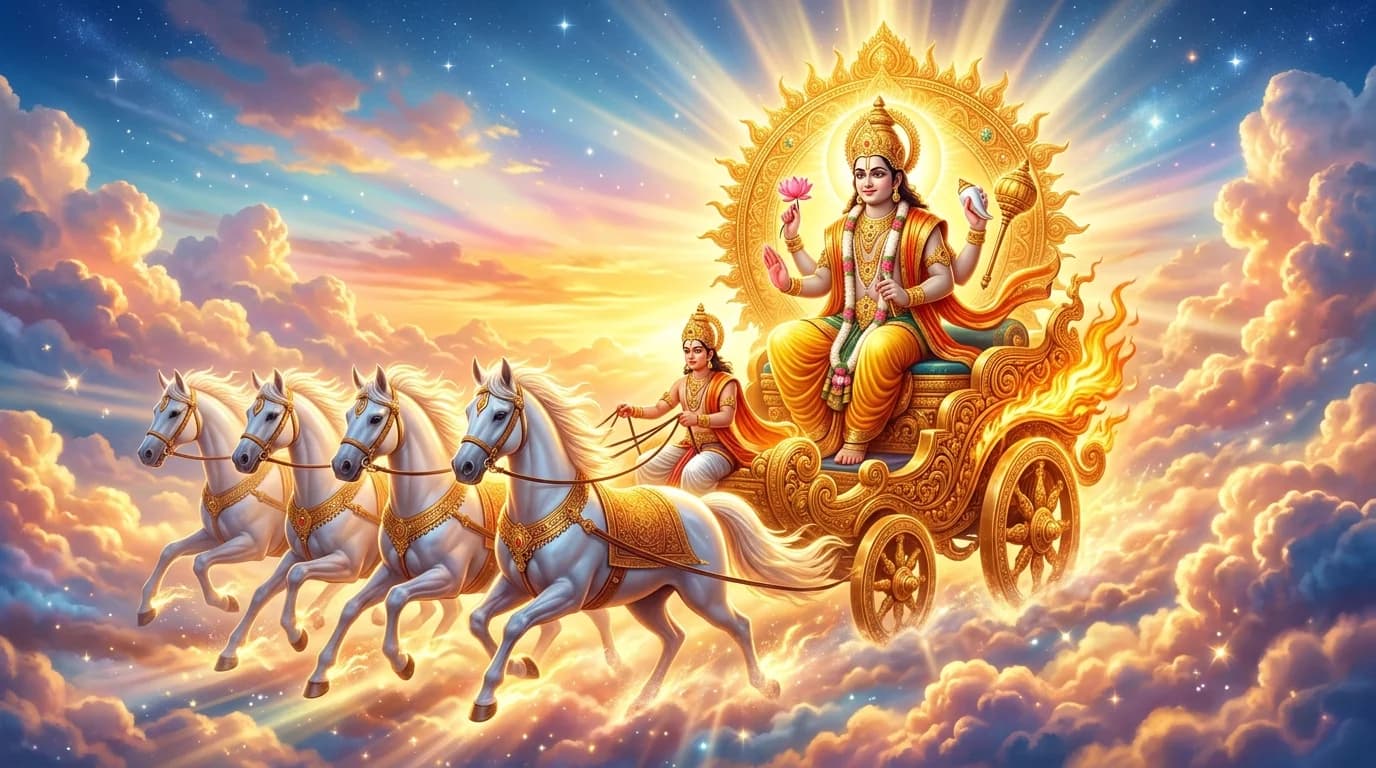
A beautiful Sanskrit shloka from the Padma Purana aptly describes the glory of Ekadashi: 'Ekadashyam upavaasaha sarva paapa pranaashanam, Moksha daayakam punyam Vishnu lokam nayatyapi.' Meaning: 'Fasting on Ekadashi destroys all sins, bestows merit leading to liberation, and takes one to the abode of Vishnu.'A serene depiction of Lord Vishnu awakening from His celestial sleep, surrounded by devotees offering prayers and celebrating the divine moment with the sacred Tulsi plant.
3. Spiritual Meaning & Significance of Devutthana Ekadashi
Beyond the rituals, Devutthana Ekadashi carries a profound spiritual message. It's a call for our own spiritual awakening. Just as Lord Vishnu awakens, we too are encouraged to shed the inertia of ignorance and lethargy that may have crept into our spiritual practice. It's a time to re-evaluate our goals, renew our commitment to dharma, and consciously connect with the divine within. The awakening of Vishnu symbolizes the activation of the divine principle that sustains the universe, reminding us of our role in upholding righteousness and compassion in the world.
Practical spiritual practices for Devutthana Ekadashi:
- Observe the Ekadashi fast, even if partial, to purify body and mind.
- Perform Tulsi Vivah or offer special prayers to Tulsi Devi, seeking blessings for prosperity and harmony.
- Meditate on Lord Vishnu, chanting His names (e.g., 'Om Namo Bhagavate Vasudevaya') to invoke divine consciousness.
- Engage in acts of charity and service (seva), sharing your blessings with others.
- Initiate new auspicious ventures, taking advantage of the favorable cosmic energies.
Puja Samagri Checklist
Puja Samagri Checklist
Essential Items (आवश्यक सामग्री)
Optional Items (ऐच्छिक सामग्री)
Simple Alternatives (सरल विकल्प)
- If fresh flowers are unavailable, offer pure water kalash with sincere devotion.
Practical Do's and Don'ts
What to Do (क्या करें)
- Wake up early and take a morning holy bath.
- Maintain cleanliness in your worship area.
- Pray with family and share Prasad with everyone.
What to Avoid (क्या न करें)
- Avoid wasting food, water, or electric lights.
- Avoid harsh speech or negativity during festival time.
What You Can Do Today
What You Can Do Today
Simple practical actions for immediate blessings