Chhath Puja (Sandhya Arghya): A Sacred Salutation to the Setting Sun
In This Article (Direct Jump)
Quick Information Card
Chhath Puja
November 15, 2026
October 27, 2025
Kartik Shukla Shashthi
Sunset Arghya: 05:28 PM / Sunrise Arghya: 06:44 AM
Surya Dev & Chhathi Maiya
Bihar, Jharkhand, UP, Nepal
Health, child prosperity, and solar worship
Chhath Puja
November 15, 2026
October 27, 2025
Kartik Shukla Shashthi
Sunset Arghya: 05:28 PM / Sunrise Arghya: 06:44 AM
Surya Dev & Chhathi Maiya
Bihar, Jharkhand, UP, Nepal
Health, child prosperity, and solar worship
1. Introduction to Chhath Puja
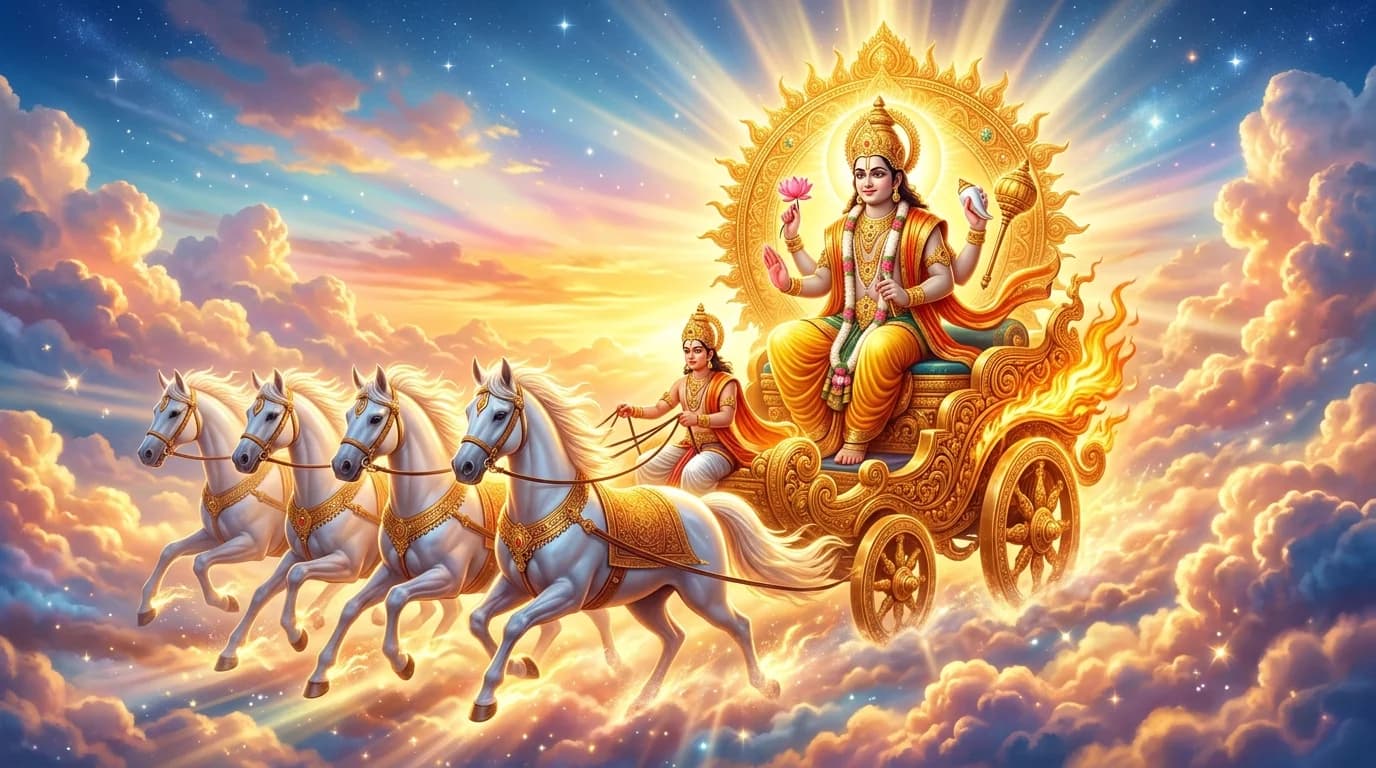
Chhath Puja is a revered ancient Hindu festival dedicated to Surya Dev (the Sun God) and Chhathi Maiya (a Vedic goddess identified with Usha, the Goddess of Dawn). Primarily celebrated in Bihar, Jharkhand, Uttar Pradesh, and parts of Nepal, this four-day festival is a testament to unwavering devotion, purity, and gratitude towards the source of all life on Earth. The festival involves rigorous fasting, holy bathing, standing in water for extended periods, and offering Arghya (oblations) to the setting and rising sun. Sandhya Arghya, the evening offering, is particularly poignant, as devotees express their heartfelt thanks to Surya Dev for a day's blessings and seek his benevolent gaze for the upcoming night.
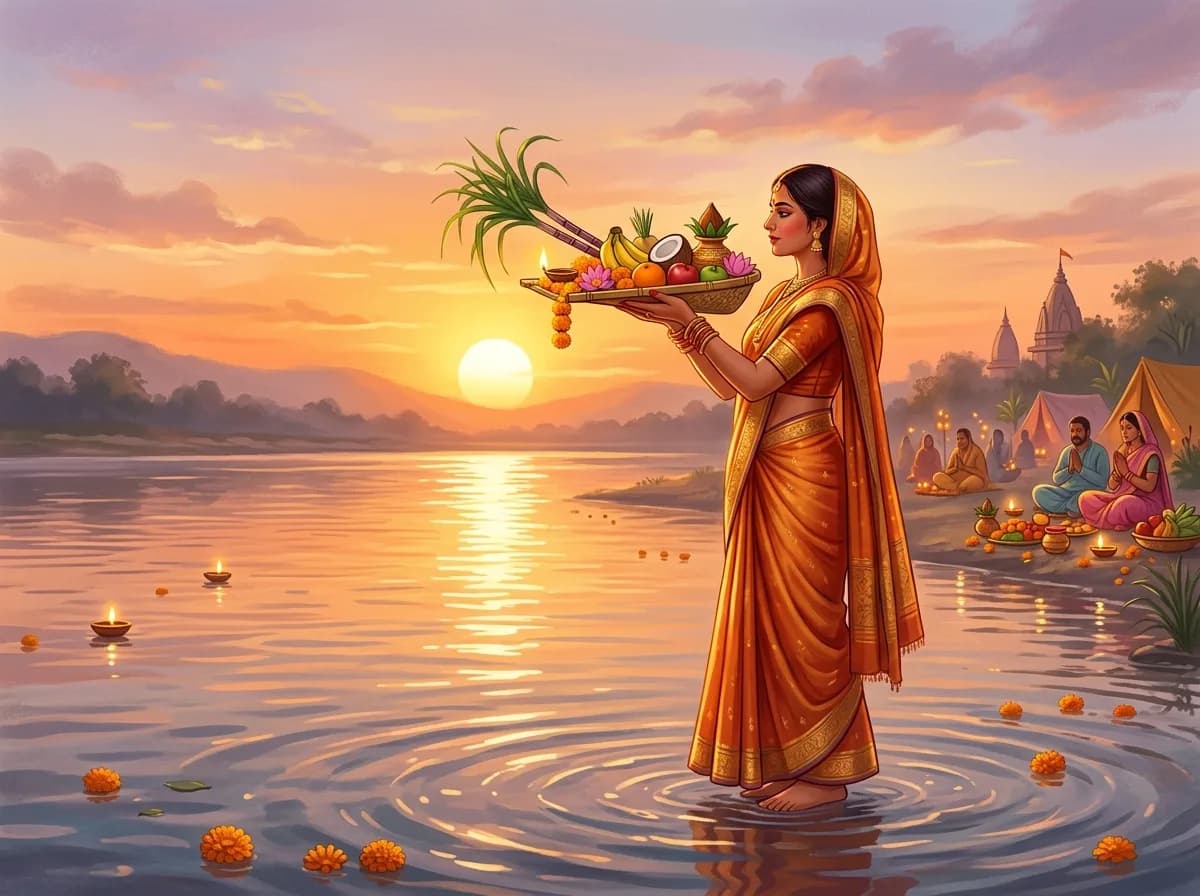
Devotees stand in sacred waters, offering heartfelt prayers and Arghya to the setting sun during Chhath Puja. The tranquil moment, bathed in golden light, symbolizes deep devotion and gratitude towards the cosmic life-giver.
2. How to Celebrate Chhath Puja (Step-by-Step Rituals)
The worship of the Sun is deeply embedded in Vedic traditions. Surya is not merely a celestial body but a living deity, the eye of the cosmos, and the provider of energy, health, and vitality. Scientifically, the sun's rays are crucial for all life forms, providing Vitamin D, supporting photosynthesis, and regulating Earth's climate. Spiritually, worshipping the setting sun in the form of Sandhya Arghya acknowledges the cyclical nature of life – creation, sustenance, and dissolution. It teaches us to express gratitude for what has been given and to surrender to the divine will, trusting in the promise of a new dawn. This practice of offering water from sacred rivers or ponds is also believed to purify the body and mind, aligning the individual with the universal energy.
Ehi Surya Sahasransho Tejo Rashi Jagatpate. Anukampaye Maam Bhaktya Grihanarghyam Divakar. (O Sun, the one with a thousand rays, the ocean of energy, the lord of the world! Please accept this offering made with devotion and compassion, O giver of light.)3. Spiritual Meaning & Significance of Chhath Puja
The Sandhya Arghya ritual involves standing waist-deep in a body of water (river, pond, or makeshift pool) with offerings called 'soop' or 'daura' laden with seasonal fruits, sweets like 'thekua,' and other consecrated items. Devotees then hold the offerings towards the setting sun, pouring water or milk from a copper vessel as they chant prayers. This act is not just an external ritual but a deep spiritual practice. It signifies purification of the soul, surrender of ego, and a profound connection with the divine. The setting sun symbolizes letting go of the past, expressing gratitude for the day's blessings, and preparing for the regeneration that a new dawn brings. It's a moment of introspection, devotion, and a prayer for universal well-being, guided by Chhathi Maiya's grace.
Spiritual Lessons from Chhath Puja (Sandhya Arghya)
- Practice profound gratitude for the life-sustaining forces of nature, especially the Sun, acknowledging its role in our existence.
- Embrace purity and self-discipline (tapasya) in your daily life, understanding that inner purification leads to spiritual growth.
- Engage in acts of selfless service and community participation, fostering a sense of togetherness and shared devotion.
- Reflect on the cycles of nature – creation, preservation, and dissolution – and find peace in accepting these universal rhythms.
- Offer sincere prayers for the well-being and prosperity of all beings, extending your blessings beyond yourself.
Puja Samagri Checklist
Puja Samagri Checklist
Essential Items (आवश्यक सामग्री)
Optional Items (ऐच्छिक सामग्री)
Simple Alternatives (सरल विकल्प)
- If fresh flowers are unavailable, offer pure water kalash with sincere devotion.
Practical Do's and Don'ts
What to Do (क्या करें)
- Wake up early and take a morning holy bath.
- Maintain cleanliness in your worship area.
- Pray with family and share Prasad with everyone.
What to Avoid (क्या न करें)
- Avoid wasting food, water, or electric lights.
- Avoid harsh speech or negativity during festival time.
What You Can Do Today
What You Can Do Today
Simple practical actions for immediate blessings